Identify the material and the finish
Record the flooring product, actual finish, any sealer or wax and the date of recent refinishing if known. Look for a maintenance record or leftover flooring label if the finish is unknown. Photograph both the trial spot and a nearby comparison area in similar light before placement.
Confirm the material actually touching the floor
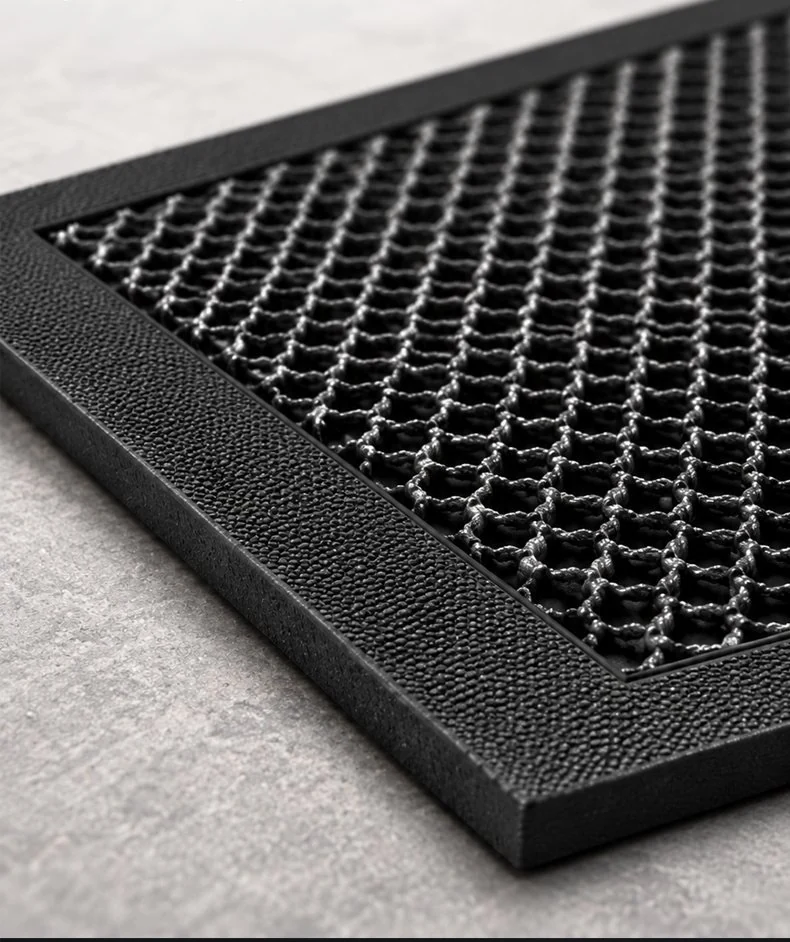
Request a written description of the proposed backing, including how the border or pads contact the floor. Identify the construction by item or revision and compare it against the flooring supplier’s use restrictions.
Record the contact conditions
Write down expected contact duration, temperature, moisture, cleaners and lifting frequency. Compare the backing with the flooring provider’s written restrictions first. If those instructions exclude the material or finish state, ask for another configuration or written guidance before trial placement.
Keep a dated observation record
Compare the original and follow-up images for transfer, finish change or retained moisture. Keep the exact dates, sample ID and trial conditions. A clear short observation records only the checked period and location.
Floor and backing compatibility worksheet
| Field | Record | Review with |
|---|---|---|
| Floor baseline | Product, finish, refinishing date and before photo | Flooring or facilities contact |
| Backing and border | Material declaration, contact pattern and revision | Mat supplier and flooring guidance |
| Observation window | Dates, moisture, temperature, cleaning and finish changes | Responsible site reviewer |
Questions buyers ask
Can non-marking be a universal claim?
No. Compatibility depends on the actual backing, floor finish and conditions.
Should floor-provider guidance be checked?
Yes. It may define restrictions relevant to mat placement.
Related steps
Review your mat placement
Send the measurements, site conditions and any evidence your project requires.